 Find Romantasy Books

A Court of Thorns and Roses
Sarah J. Maas
4.6

by Lewis Carroll
Bored by the monotony of a sun-drenched afternoon, young Alice follows a frantic, waistcoat-clad rabbit down a burrow, tumbling headlong into a surreal landscape where logic dissolves and curiosity reigns. Wonderland is a realm governed by nonsense, where rivers flow backward, caterpillars offer philosophical riddles, and time itself behaves with erratic hostility. As Alice navigates this shifting geography, she encounters a cast of increasingly eccentric figures, from the enigmatic Cheshire Cat to the volatile Queen of Hearts, whose penchant for decapitation looms over every interaction.
The central conflict forces Alice to reconcile her rigid Victorian upbringing with a world that delights in upending every rule she has ever known. Her journey is defined by a rapid, disorienting maturation; she must constantly shrink and grow, both physically and intellectually, to survive the psychological games played by her bizarre hosts. This MinaLima edition elevates the experience with vibrant, interactive artistry, transforming the act of reading into an immersive exploration of the absurd.
It is a dream-like quest that challenges the boundaries of identity, inviting readers to fall down the rabbit hole and lose their footing in a masterpiece of imagination where the only certainty is change.
Amazon CustomerExceeds expectations
"Beautifully illustrated hard back book. This is a larger book than I expected. Excited to gift it! ["
December 20, 2025 Verified Purchase
JordanAlice's Adventures In Wonderland; a Comorbid Dream Through Reframing
"Alice in Lewis Carrol's Alice's Adventures in Wonderland is dreaming and there is no way for me as a reader to tell what physical abilities she may have while awake; could Alice have a physical disability? Could Alice’s dream be so vivid because she is also Autistic? As an Autistic reader with Cerebral Palsy, I think yes, in this essay, I will interpret Alice as physically disabled and Autistic. There are some passages that I find interesting as they seem to be confirming my theory. Thinking about getting into the garden requires a certain amount of steps, which can be a problem for autistic girls. Alice has to find the key, then shrink down, but instead shrinks without taking the key with her, because of this Alice has a meltdown crying over not being able to get into the garden. Alice and I both have a strong intellect, which is part of being Autistic for females and Alice thinks deep thoughts She thinks about how far she's fallen, she thinks about how to get into the garden, math, geography, and poetry the typical way we measure intellect, and she thinks in patterns. For Math, she thinks “For times five. Is twelve and four times six is thirteen” Now this could be that numbers bring ease to someone who is Autistic because this is a math concept called base-ten notation. For Geography, the pattern is “London is the Capital of Paris and Paris is the capital of Rome” Autistic can also get confused. When Alice meets the mouse in chapter two “The Pool of Tears,” She says “Ou est mon Chatte” The mouse of course replies “Would you like cats if you were me?” this an Autistic lack of regard for social norms The way the Caucus Race Lewis Carroll described The Caucus Race is "All the party were placed along the course here and there. There was no 'One, two, three, and away' but they began running when they liked and left off when they liked..." at last, the Dodo said everybody has won, and all must have prizes.'' As a player of adapted sports, this attitude is not nonsensical but quite normal, as these are often the rules in adapted sports that are less intense for disabled people. Afterward, Alice talks about her cat Dinah again, causing the animals to leave for all are the prey of cats. Alice does not seem to have a thought-filer, she says what's on her mind, and is outspoken, even to the point where it disrupts her ability to have a conversation, typical autistic behavior. Alice like in the previous chapter is overwhelmed and has a meltdown, crying. When sent to the White Rabbit’s house to get gloves, she impulsively drinks something she knows will change her size without thinking of the consequences. Impulsivity is also part of being autistic. When the Caterpillar tells her “One side will make you grow taller, and the other side will make you grow shorter.” she asks for clarification, things need to be very clear for autistic girls to understand. Alice says to the bird, I have tasted eggs, certainly,” said Alice, who was a very truthful child; “but little girls eat eggs quite as much as serpents do, you know.” Autistic girls are honest, almost to a fault. (They can lie.) Alice also struggles to hold the Duchess' pig-baby. It says "... Kept doubling itself up and straightening itself out again, so that altogether, for the first minute or two, it was as much as she could do to hold it." I've never held a live baby, but since my right arm is weak, it seems logical that I would struggle to do this. At the Mad Tea Party in chapter seven, The Mad Hatter tells her “Your hair wants cutting” Alice replies “You should learn not to make personal remarks,” Alice said with some severity; “it’s very rude.” showing an Autistic fondness for rules. She also struggles with holding her flamingo during the game of croquet. It says "The chief difficulty Alice found at first was in managing her flamingo: she succeeded in getting its body tucked away, comfortably enough, under her arm, with its legs hanging down, but generally, just as she had got its neck nicely straightened out, and was going to give the hedgehog a blow with its head, it would twist itself round and look up in her face." The fact that the Queen of Hearts, the villain of the piece, whom the dreaming Alice has created is ableist to the extreme is how the mind of a disabled person like me, would recreate that person in my head. Alice has experienced ableism in real life, and she emotionally processes it through creating this over-the-top situation in her dream. Lewis Carroll only says of the other players that they were "Quarreling," not that they struggled with their flamingos. The duchess when she is in a better mood tells her “What a clear way you have of putting things!” autistic girls can be direct. The Knave’s trial is a good example of Manipulation, which Alice has trouble with because she’s autistic. She stands up to the Queen saying “Stuff and Nonsense!” T The Queen of Hearts has a habit of shouting which both people with a Cerebral Palsy Startle reflex and who are autistic have trouble with loud noises, so when the Queen of Hearts shouts “OFF WITH HER HEAD!” right before the end of Alice’s dream, it’s no wonder the dream ends abruptly! As a final note, while it does say Alice ran to get to the house at the end of the story, Alice says in "Down The Rabbit Hole" "I shall think nothing of tumbling downstairs! How brave they'll think me at home!" The Line ``How brave they'll think me at home!" implies that this happens more often than it happens to most normally developed children, her Disability may affect some physical abilities and not others. For example, I have the most control over my legs and the least control over my hands, and always have to use a handrail on the stairs There is also how “Involved” the stuff Alice does in Wonderland is, to begin with. The content of Alice's dream represents her ambitions, which for a disabled person can be the simplest things. Most of the stuff done in Wonderland is simple, day-to-day activities. Alice dreams of swimming, eating, drinking, having a race, climbing up and down the stairs, (In the White Rabbit's house) going to a tea party, learning a dance, playing a sport( Croquet), playing fetch with a dog, walking around, talking to people; all given a delightfully bizarre spin by Lewis Carroll; which like the quotes in the paragraph above suggest on a normal day her disability may not let her do the simplest things. The poems being repeated by Alice were based by Lewis Carroll on real poems, and that means Alice is consciously integrating them into her dream like I do today with popular characters and celebrities. This is why I can see myself as Alice rather than just identify with her. Alice's Adventures in Wonderland gave me confidence in my disabled identity. The Caucus Race had the same rules as the adapted sports I was allowed to play, making the fact that they isolated me from my abled-bodied peers easier. in the first two chapters alone. Alice is disturbed by the fact that she can't seem to remember the things she used to know, She says to Caterpillar ``I can't remember the things I used".I have Cerebral Palsy, and the one thing I got praise for more than anything else was being smart. Autistic girls are known to have “Dreams that are anxiety-ridden, vivid, complex, and/or precognitive in nature” I couldn't describe Alice's dream better than Art of Autism if I tried None of the other characters seem to notice Alice is smart, this is because there is a stereotype that the disabled aren't smart. In Alice's Adventures in Wonderland ' the characters doubt or simply ignore Alice's intellect, also we see in these interactions her serious nature, another autistic trait. The Caterpillar tells Alice of her rendition of “You Are Old Father William'' that “It was wrong from beginning to end When told by Alice that “The Earth takes 24 hours to turn around on its axis” the Duchess replies “Talking of axes, chop off her head!” The Mad Hatter teases her with “Why is a raven like a writing desk?” and then tells her he has no idea what the answer is, to which Alice seriously replies “I think you might do something better with the time, than waste it in asking riddles that have no answers.” The Mock Turtle and the Griffin let her explain a little bit of her rendition of “Tis the Voice of the Sluggard.'' Soon after saying that the poem is too hard for them; Alice is making progress. When she finally gets to prove her intellect, called as a witness at the Knave's trial, says that the evidence “Has not an atom of meaning in it.” and that sentencing someone first is “Stuff and nonsense!” but the response is “Off with her head!” Nevertheless, the Queen of Hearts acknowledges that what Alice said makes sense to her, sending the cards upon her, ending her dream, and finally validating her intellect. Alice's Adventures in Wonderland makes me value my intellect, even if I don't consider breaking stereotypes valuable to myself. The fact that Wonderland is a dream provides me with the opportunity to say “I can go on an adventure, and defeat a villain, just like everybody else” because Alice isn't doing anything except sleeping! That's why the “It's only a dream” ending can be molded into something beautiful. Alice is dreaming, there's hardly any way to judge what abilities she possesses. Wonderland is more accommodating, requiring no physical feats of daring, just a chance to prove one's intellect. Her physical struggles in Wonderland reflect her physical struggles in real life. Navigating Wonderland lets her figure out how to combat ableism and oppression. The idea that maybe Alice could be like me is a magical and realistic ending for intelligent, imaginative, and adventurous children like me and Alice. ["
September 1, 2017 Verified Purchase
The Butterfly ReaderStunning!
"I’m such a MinaLima fangirl and this dos not disappoint! A beautiful book to add to my collection. ["
November 2, 2025 Verified Purchase
Barbara Holbertwow this is art work.
"wow !!!!! I'm so excited! As a dyslexic adult ive found it hard to read many of these classics , but the text and all the beautiful illustrations on every page make it alot easier ! I love love , AND i think will order some others as well for gifts and myself ! ["
August 15, 2025 Verified Purchase
Sarah J. Maas
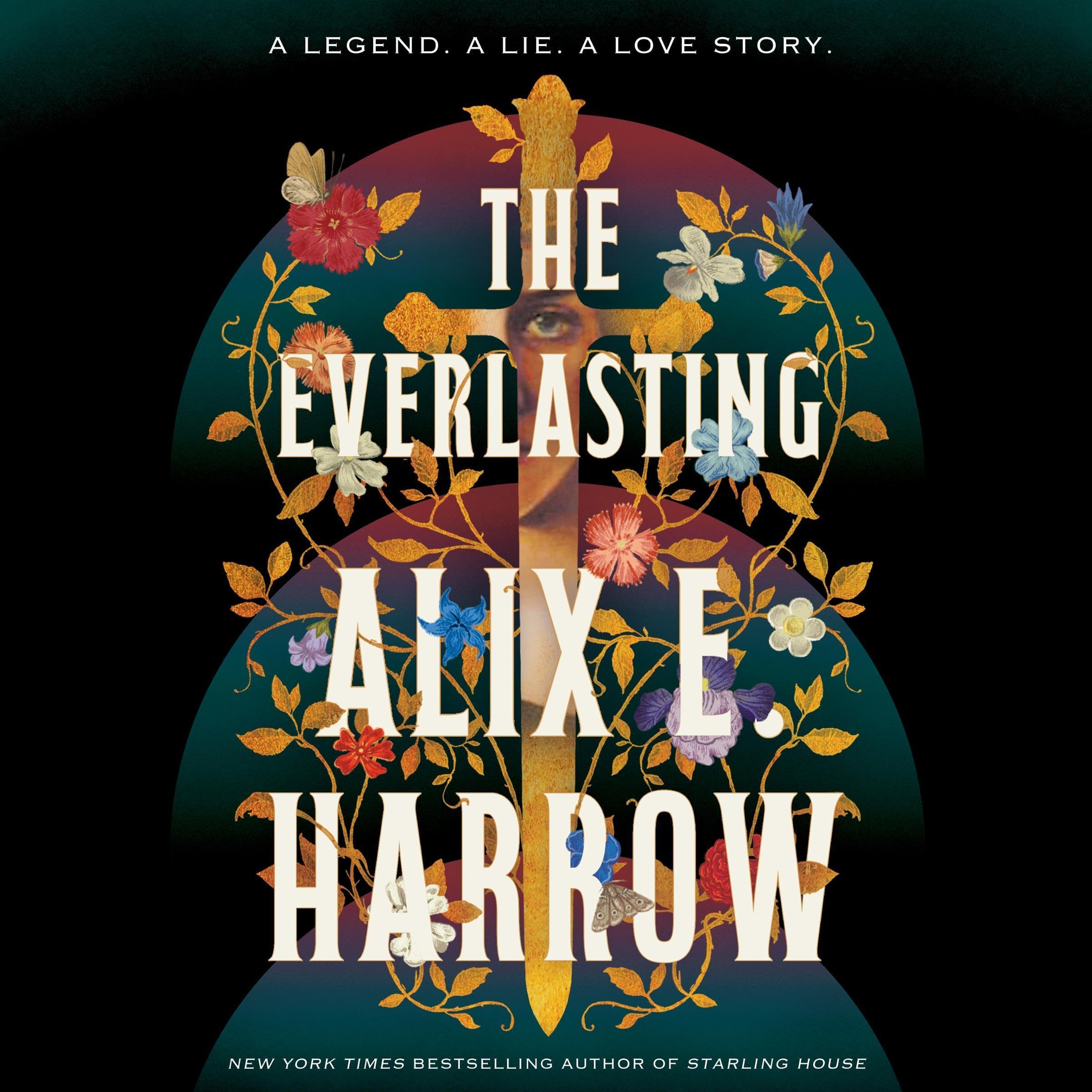
Alix E. Harrow
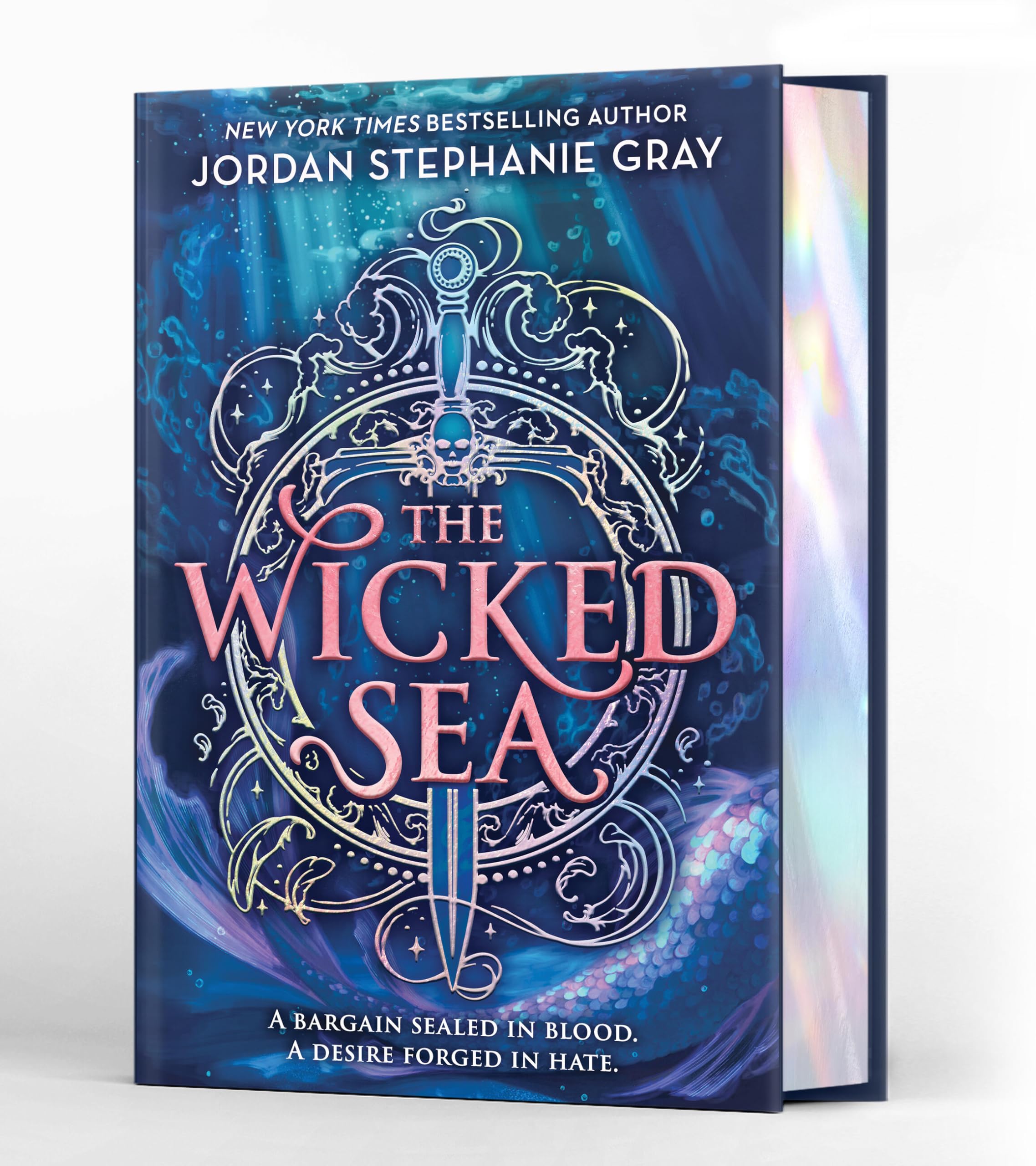
Jordan Stephanie Gray

Raven Kennedy
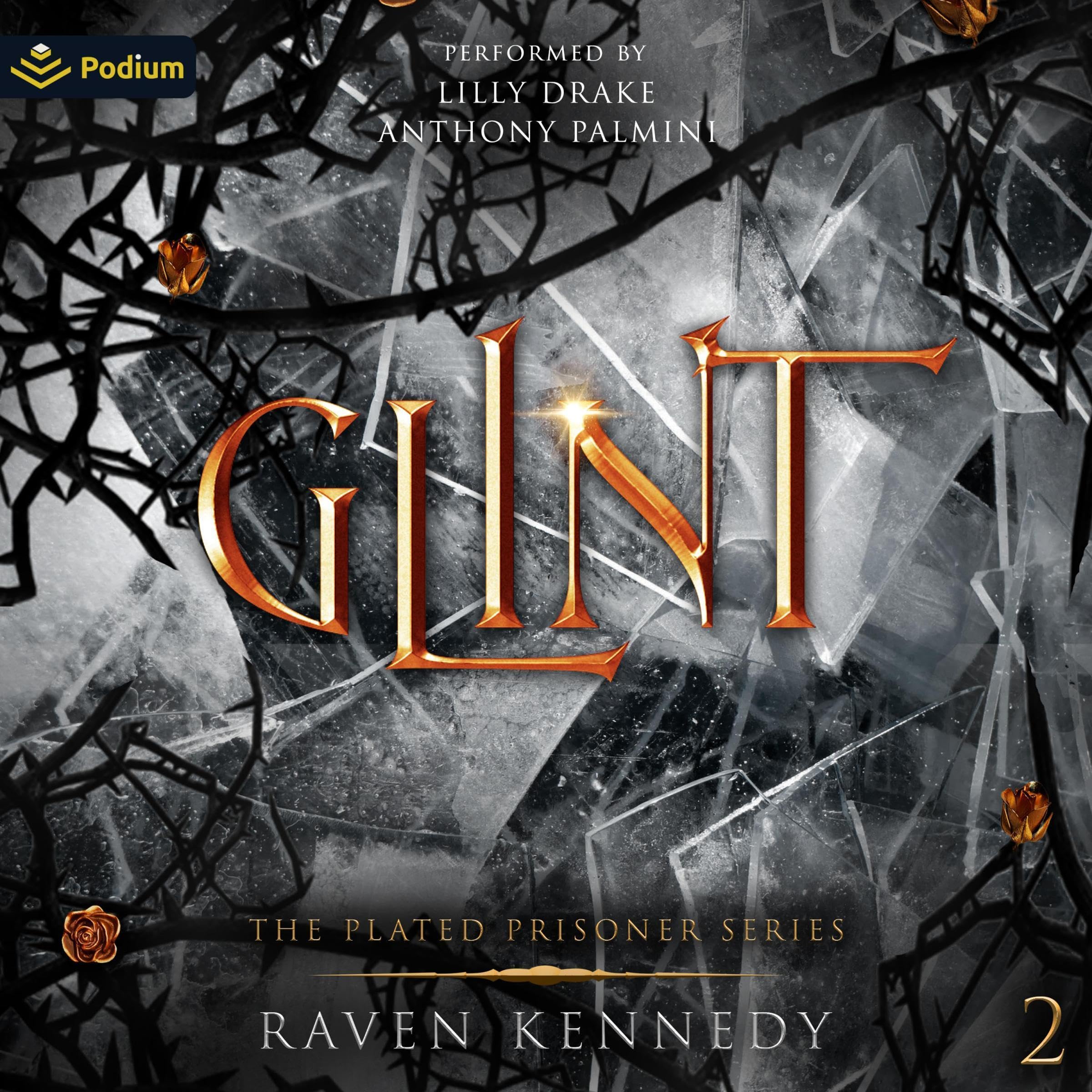
Raven Kennedy

Raven Kennedy